

India’s education system is experiencing a significant transformation under the Pradhan Mantri Schools for Rising India (PM SHRI) initiative. This flagship program, introduced as part of the National Education Policy (NEP) 2020, emphasizes skill-based learning, holistic student development, and inclusive education. By prioritizing these areas, the initiative aims to prepare students for the rapidly evolving global economy while reshaping the traditional structure of Indian schools.
Understanding the PM SHRI Scheme
The PM SHRI scheme is a revolutionary approach to education reform, aiming to develop over 14,500 schools as "exemplar institutions" across the country. These schools are designed to set benchmarks for quality education, providing innovative models for other schools to emulate. The program focuses on three core pillars:
- Experiential Learning: Engaging students through hands-on activities.
- Digital Integration: Leveraging technology to enhance education.
- Skill Development: Preparing students with practical, career-oriented abilities.
A Paradigm Shift: Emphasizing Skill-Based Learning
PM SHRI schools move away from traditional rote learning methods, emphasizing experiential and skill-based education. This shift is evident in various aspects of the curriculum:
- Vocational Training: Students are introduced to career-focused courses like robotics, coding, agriculture, and entrepreneurship, equipping them with practical knowledge applicable in real-life situations.
- STEAM Education: By integrating Science, Technology, Engineering, Arts, and Mathematics, students engage in interdisciplinary learning that fosters innovation and collaboration.
- Soft Skills Development: Programs focusing on communication, teamwork, and leadership skills prepare students for professional environments.

A key feature of PM SHRI schools is their commitment to integrating technology into education. These schools are equipped with:
- Smart Boards and Digital Devices: Making lessons interactive and engaging.
- E-Libraries: Providing access to a wide range of resources.
- Internet-Enabled Classrooms: Offering real-time learning opportunities..
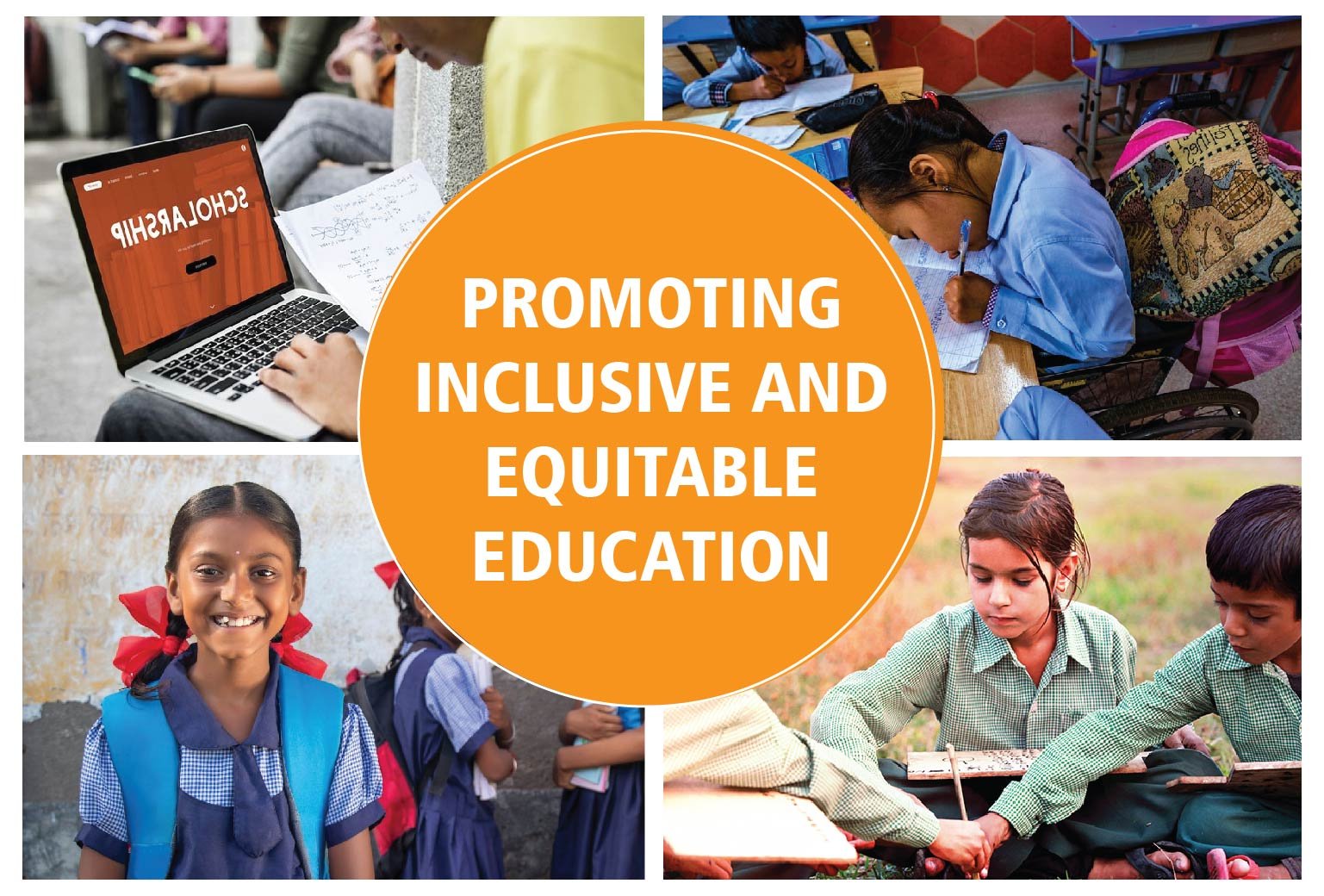
A major goal of PM SHRI is to bridge educational gaps, ensuring access to quality education for all, especially marginalized communities. Key measures include:
- Scholarships and Financial Aid: Providing support to economically disadvantaged students.
- Resources for Students with Disabilities: Ensuring accessibility through tailored support systems.
- Encouraging Girl Education: Creating opportunities for girls to thrive in academics and beyond.

PM SHRI schools adopt a holistic approach to education, going beyond academics to foster emotional, physical, and creative growth. This includes:
- Arts and Cultural Activities: Encouraging students to explore their creative talents.
- Sports Programs: Building teamwork, discipline, and physical fitness.
- Social Skills Training: Enhancing self-awareness and resilience through life skills education.
Empowering Educators: Teachers as Facilitators
Teachers play a pivotal role in the success of PM SHRI schools. The initiative focuses on:
- Professional Development: Providing specialized training to adopt modern teaching methodologies.
- Technology Integration: Equipping teachers with digital tools to enhance classroom experiences.
- Collaborative Learning: Encouraging a shift from traditional instruction to interactive, student-centered approaches.
The Broader Impact of PM SHRI
The PM SHRI initiative aims to create a ripple effect across India’s education system. Its impact is evident in several areas:
- Career Readiness: Graduates leave with a strong foundation in academics and skills, better prepared for higher education and the workforce.
- Global Competitiveness: With a focus on innovation and adaptability, students are equipped to excel on the global stage.
- Community Engagement: PM SHRI schools act as hubs for raising awareness about education’s importance, fostering community development.
Conclusion
The PM SHRI initiative is a transformative step towards creating a dynamic, skill-oriented education ecosystem in India. By emphasizing experiential learning, inclusivity, and sustainability, these schools are redefining the educational experience. More than just improving academic performance, PM SHRI is shaping the next generation of innovators, leaders, and responsible citizens. As these exemplar institutions continue to thrive, they serve as a testament to India’s commitment to creating a brighter, more equitable future through education.


